Tracing Connections Among Game Variety Selections and Incentive Accumulation in Cross-Format Digital Wagering Environments
Written by Ulrich Baumann · Nov 9, 2026
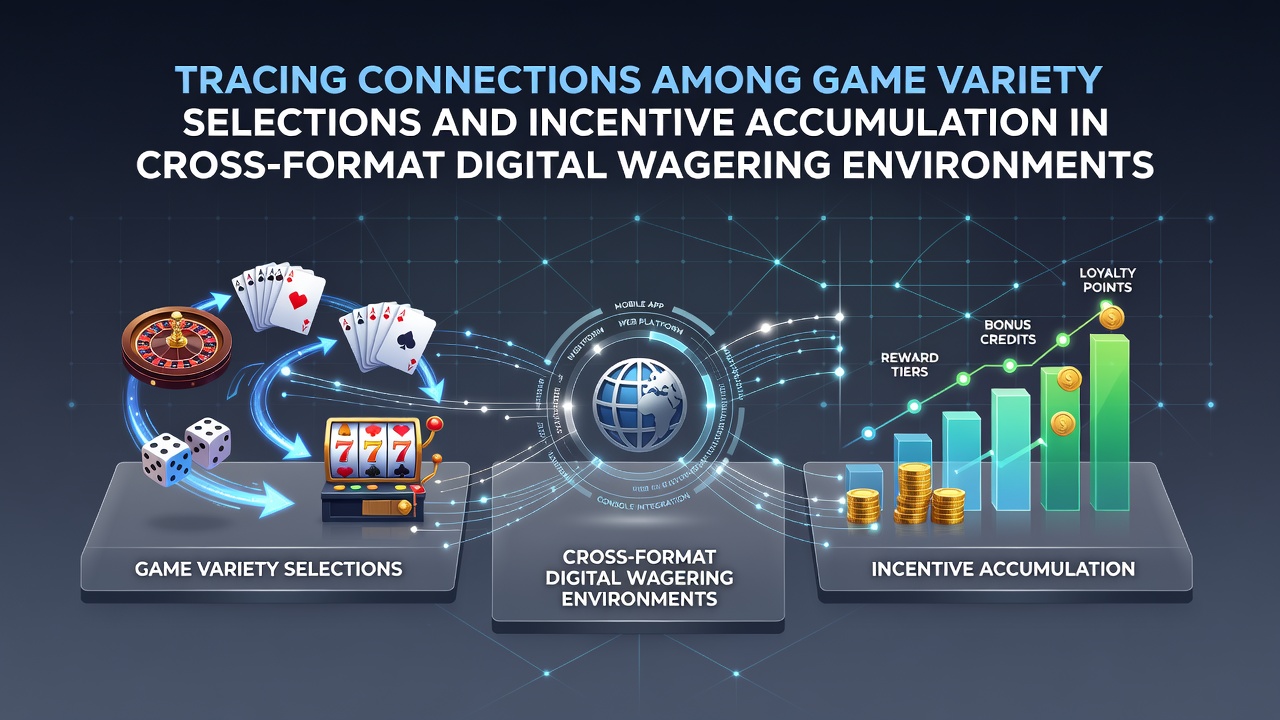
Tracing Connections Among Game Variety Selections and Incentive Accumulation in Cross-Format Digital Wagering Environments
Observers in the digital wagering sector note that player choices among game formats create measurable patterns in how incentives accumulate over time, especially when platforms combine slots, table games, sports predictions, and live events into unified accounts. Data from multiple jurisdictions indicates these connections emerge because reward systems often apply multipliers or tier credits differently depending on the volume and mix of games selected during a session. In November 2026 industry tracking showed platforms that offered seamless switching between formats recorded higher rates of incentive stacking compared with single-format environments.
Game Variety Patterns Across Formats
Research conducted by academic teams at several North American universities reveals that participants who rotate among slot mechanics, blackjack variants, and sports event predictions tend to trigger bonus thresholds faster than those who stay within one category. These studies track account activity over multi-month periods and find that variety correlates with accelerated point accrual because many loyalty algorithms assign distinct weights to different game types. One analysis of aggregated transaction logs demonstrated that cross-format sessions generated 18 to 27 percent more loyalty credits per hour than equivalent time spent on a single game family.
Platform operators respond to these patterns by structuring incentive matrices that reward breadth. Tier advancement often requires minimum activity across at least three categories, which encourages users to sample live dealer tables after completing slot rounds or to place sports wagers following table game sessions. Figures released by regulatory bodies in several Australian states confirm that such cross-category requirements appear in an increasing share of licensed mobile applications.
Incentive Accumulation Mechanics
Accumulation rates depend on how each platform translates game selections into tier points, cashback percentages, and multiplier eligibility. Systems that apply uniform conversion rates across all formats produce steadier but slower progress, whereas variable-rate models that boost credits for less-played categories accelerate movement for diversified users. Transaction records examined by researchers show that players who alternate between high-volatility slots and lower-volatility prediction tools achieve more consistent daily point totals because the platform algorithms smooth out variance through category balancing.
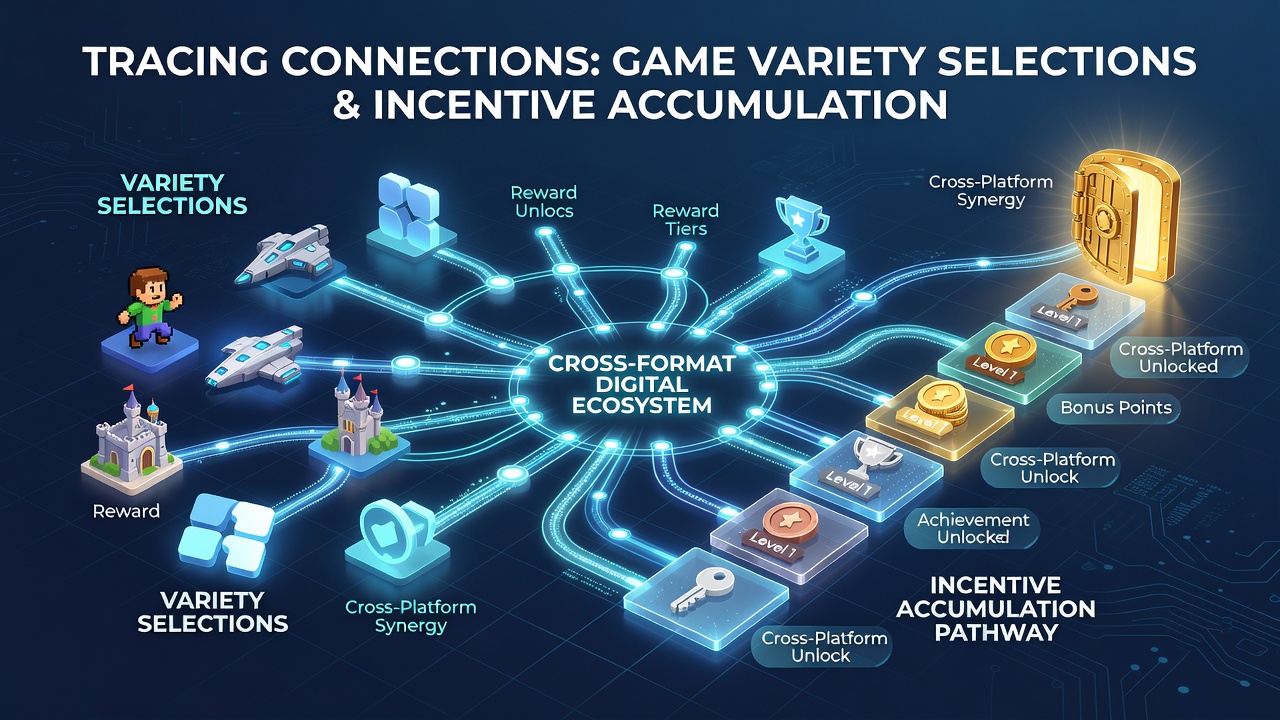
Payment method integration further modulates these outcomes. Certain digital wallets trigger additional loyalty multipliers when used for deposits that fund multiple game types in sequence. Reports from the Canadian Gaming Association document that operators incorporating instant funding options across formats observe quicker tier climbs among users who maintain activity in at least two categories simultaneously. These mechanics operate within existing responsible gambling frameworks enforced by provincial regulators.
Cross-Platform Data Observations
Unified applications that merge mobile slots, desktop table games, and live sports feeds generate the clearest datasets for examining these connections. Session logs from such environments indicate that users who begin with short-duration prediction tools and then transition to extended slot sequences accumulate promotional credits at higher daily rates than users following reverse sequences. The difference stems from how algorithms time the release of bonus multipliers relative to game duration and category switches.
European regulatory summaries released in late 2026 highlight similar trends in markets where operators must publish aggregated player behavior statistics. These summaries note that cross-format environments produce distinct incentive curves compared with siloed offerings, with the steepest accumulation occurring among accounts that log activity in four or more game families within a 30-day window. Operators adjust reward schedules accordingly while remaining subject to jurisdiction-specific caps on promotional intensity.
Conclusion
Available evidence establishes that game variety selections and incentive accumulation follow traceable relationships in cross-format digital wagering environments. Patterns emerge from the interaction of platform algorithms, category weighting systems, and user navigation across slots, table games, and sports features. Continued monitoring by regulatory agencies and research institutions will clarify how these dynamics evolve as platforms refine their unified interfaces and loyalty structures.