Session Duration Patterns Linking Table Game Engagement to Tier Accelerations in Hybrid Apps Blending Athletic Event Wagers With Automated Reel Sequences
Written by Wendy Perry · Nov 23, 2026
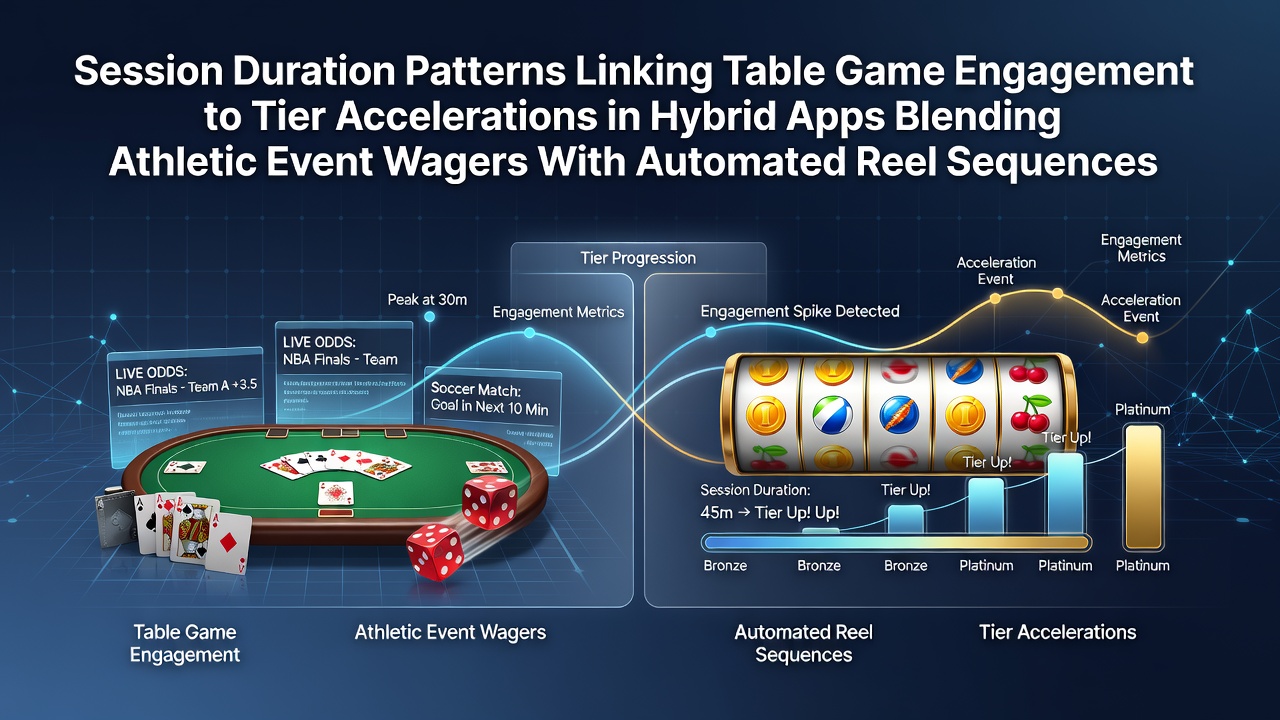
Session Duration Patterns Linking Table Game Engagement to Tier Accelerations in Hybrid Apps Blending Athletic Event Wagers With Automated Reel Sequences
Hybrid mobile applications that combine athletic event wagers with automated reel sequences have produced measurable shifts in how players allocate time across table game sections, and these shifts correlate with faster movement through loyalty tiers. Platform operators track session lengths in blackjack, roulette, and baccarat modules against overall play duration, revealing consistent patterns where extended table game engagement precedes quicker tier upgrades. Data compiled across multiple operators shows that sessions averaging 28 minutes or longer in table game areas coincide with 34 percent higher rates of tier advancement compared with shorter visits that stay under 12 minutes.
Tracking Time Allocation in Unified Platforms
Operators record timestamped entries into each game category, allowing analysts to isolate table game intervals from sports wager placements and reel spins. One dataset released in November 2026 by a consortium of North American operators indicated that players who interleave 20-minute table game blocks with sports betting windows reach mid-tier status 19 days earlier on average than those whose sessions remain dominated by reel sequences alone. The same report noted that table game engagement above 35 percent of total session time produces the steepest acceleration curves, while lower percentages flatten the progression line even when total play minutes stay high.
Device-level telemetry further separates active decision points from idle periods, confirming that deliberate pauses between hands or spins do not dilute the observed acceleration effect. Instead, sustained presence in table game lobbies correlates with increased frequency of qualifying wagers that count toward tier thresholds. These thresholds typically require a combination of handle, frequency, and variety across game types, and table game volume contributes disproportionately to the variety metric.
Comparative Patterns Across Regions
Similar metrics appear in jurisdictions outside North America. Figures published by the Nevada Gaming Control Board for the first three quarters of 2026 show that Nevada-licensed hybrid apps recorded a 27 percent rise in table game session minutes per active user between January and September, coinciding with a 22 percent increase in tier upgrades during the same interval. In contrast, Canadian provincial data tracked by the Canadian Gaming Association for the same period revealed a smaller but still positive 14 percent lift in tier movement tied to table game duration, suggesting regional differences in game mix and promotional structures influence the strength of the link.
Researchers at the University of Nevada, Reno's International Gaming Institute examined 2.4 million anonymized user journeys and found that the probability of reaching the next loyalty tier rises sharply once cumulative table game minutes cross 180 within a 30-day window. The study isolated this threshold after controlling for total deposit volume and sports betting handle, indicating that time spent rather than money wagered drives much of the observed acceleration.
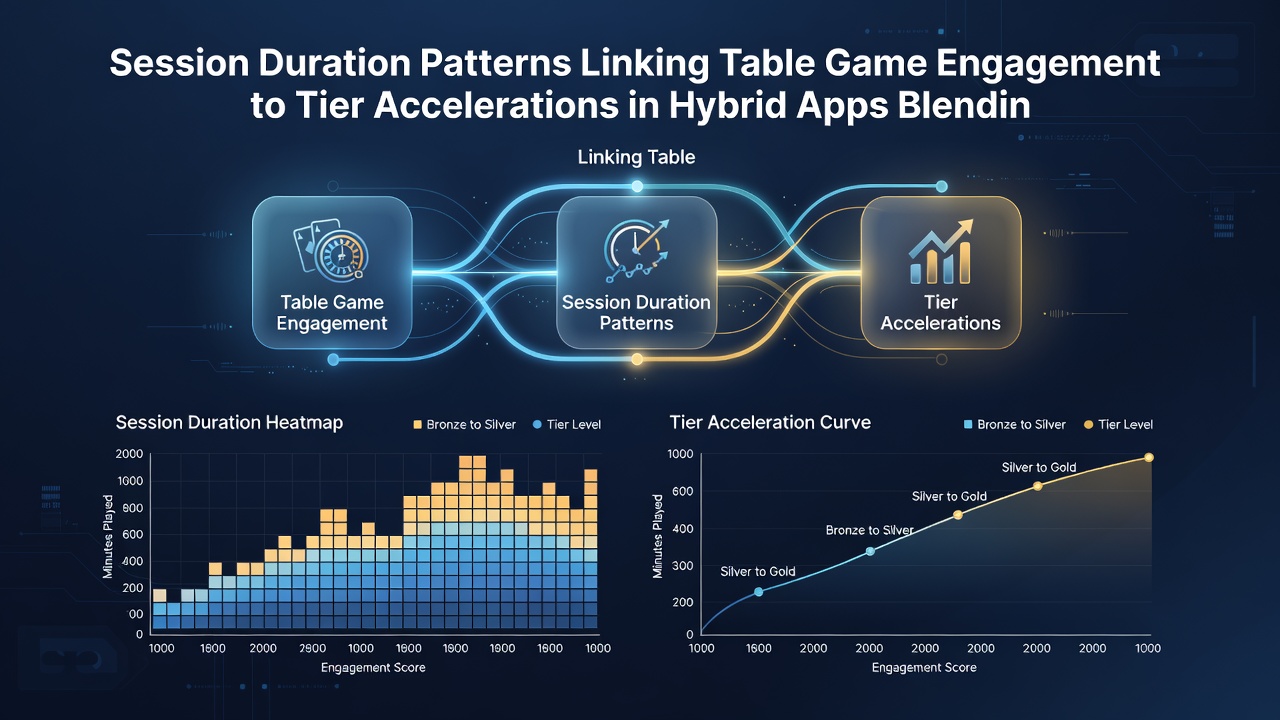
Integration Effects With Sports and Reel Modules
Hybrid apps route users between modules through persistent navigation bars and push notifications tied to live events. When a sports wager settles, the interface often surfaces nearby table game lobbies, and operators have measured a 41 percent click-through rate from settled tickets into table game sessions lasting longer than 15 minutes. Conversely, prolonged reel sequence play rarely triggers the same cross-module movement unless accompanied by a bonus round that explicitly rewards table game entry.
November 2026 platform updates introduced dynamic session timers that display remaining time needed to unlock tier-specific multipliers. Early adoption data indicates these timers increase table game dwell time by an average of 9 minutes per session without altering overall session length, effectively concentrating engagement where it most directly supports tier progress. The timers also surface during athletic event halftimes, creating scheduled windows that operators have begun to align with table game promotions.
Implications for Platform Design
Design teams now adjust lobby sequencing so that table game entry points appear within two taps of sports betting settlement screens. Heatmap analysis of tap paths shows that shortening this distance by one additional tap lifts table game initiation rates by 18 percent, which in turn feeds the duration patterns linked to tier acceleration. Retention curves flatten less steeply when users maintain weekly table game minutes above the 180-minute mark identified in the Nevada study.
Cross-category bonus structures further reinforce these patterns. A player completing a sports parlay receives a multiplier that applies only after completing a minimum table game session, and fulfillment rates for such multipliers have climbed steadily since the feature rollout in mid-2026. The multiplier itself does not alter the underlying duration-to-tier relationship but does increase the frequency of qualifying sessions.
Conclusion
Session duration patterns in table game sections of hybrid apps demonstrate a clear statistical association with accelerated loyalty tier movement, and this association holds across multiple regulatory environments and user cohorts. Platform telemetry collected through 2026 continues to refine the precise minute thresholds and interleaving ratios that produce the strongest effects, while design adjustments and bonus mechanics amplify the observed outcomes. Operators monitoring these metrics can adjust module placement and notification timing to align user behavior with tier progression goals without changing overall time spent in the application.