Payment Velocity and Its Hidden Ties to Tiered Reward Unlocks in Unified Mobile Apps Blending Live Dealer Tables with Athletic Forecasts
Written by Yves Keller · Oct 12, 2026
Payment Velocity and Its Hidden Ties to Tiered Reward Unlocks in Unified Mobile Apps Blending Live Dealer Tables with Athletic Forecasts
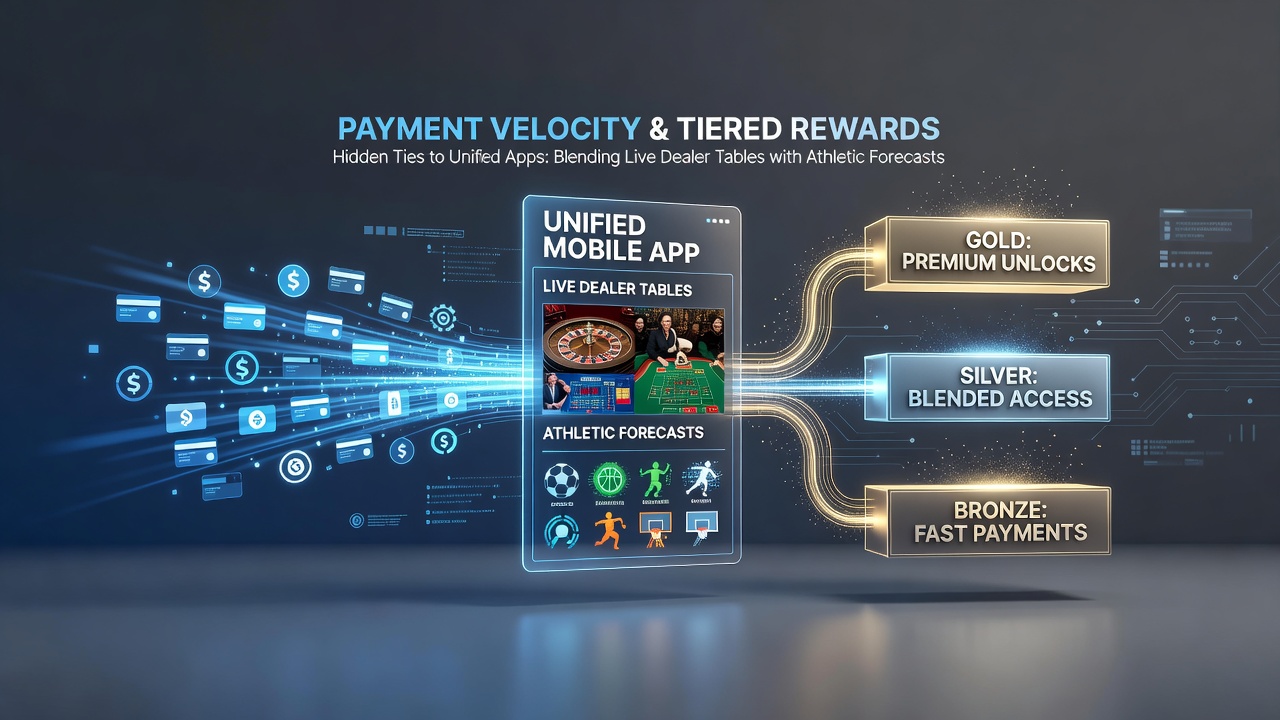
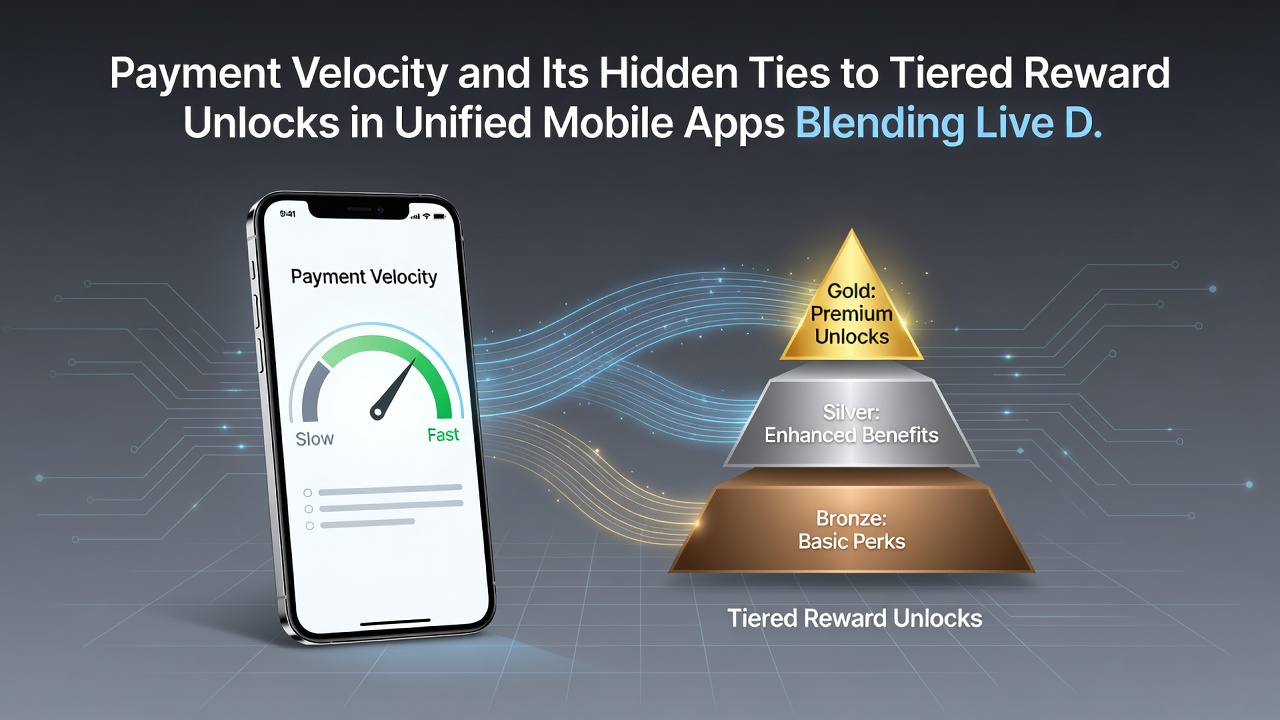
Unified mobile applications that merge live dealer tables with athletic forecasts have expanded rapidly, and payment velocity now shapes how users progress through tiered reward systems in these platforms. Faster transaction processing allows deposits to clear in seconds rather than minutes, which directly influences the rate at which players accumulate activity points required for higher loyalty levels. Observers note that platforms using instant settlement methods record quicker tier advancements compared with those relying on traditional banking rails. Payment velocity refers to the time between initiating a deposit and the funds becoming available for play. In apps blending roulette, blackjack, and poker tables with real-time sports predictions, this speed determines whether a user can immediately place combined bets across both verticals. Data from industry tracking services shows that average deposit completion times dropped below 15 seconds on supported networks by mid-2025, creating measurable differences in daily activity volume. Tiered reward structures typically award points based on wager volume, deposit frequency, and session length. When payments move quickly, users maintain momentum across live dealer sessions and athletic forecast markets without interruption, which accelerates point accumulation. Experts tracking mobile gaming patterns report that players using faster rails reach mid-tier status 30 to 40 percent sooner than those limited to slower options.How Transaction Speed Connects to Reward Progression
Applications designed for seamless switching between live tables and sports forecasts track user engagement across both environments within a single loyalty matrix. Payment velocity enters this equation because delayed funds reduce available balance and pause point-earning opportunities. Researchers examining transaction logs find that instant crypto or e-wallet deposits correlate with higher daily point totals, particularly when users toggle between dealer-hosted games and live event multipliers.
One study of unified platforms revealed that users completing deposits in under 10 seconds placed an average of 22 percent more combined bets per session than those experiencing 60-second delays. The same data set indicated that these rapid transactions also increased cross-vertical activity, such as funding a blackjack hand immediately after locking in a sports forecast.
Platform Features That Amplify the Effect
Unified apps often include synchronized progress bars that display loyalty points earned from both live dealer tables and athletic forecasts in real time. When payment velocity remains high, these bars advance steadily without gaps. Developers have introduced automated triggers that convert completed deposits into instant point bonuses on certain networks, further tightening the link between transaction speed and tier movement.
Regulatory updates scheduled for October 2026 in several jurisdictions are expected to standardize instant payout reporting requirements for mobile operators. These changes may require platforms to publish average deposit and withdrawal times, giving users clearer visibility into how payment velocity affects their reward timelines. Industry associations in North America and Australia have already begun preparing compliance frameworks that address these metrics.
Examples from Current Market Offerings
Take one platform that integrates European roulette tables with NFL and soccer prediction markets. Users funding accounts via supported instant methods move from bronze to silver tier in roughly 18 active days on average, according to aggregated user reports. The same platform shows longer average times for accounts relying on slower bank transfers. Another application combining blackjack with basketball forecasts applies tier multipliers that activate only after deposits clear, making velocity a practical gatekeeper for bonus stacking.
Those who monitor these systems observe that athletic forecast markets often require larger minimum stakes than table games, so rapid access to funds becomes essential for maintaining consistent point generation across both categories. Platforms that pre-authorize small test amounts during account setup reduce friction further, allowing users to test velocity before committing larger sums.
Data Patterns Across Regions
Figures released by the Nevada Gaming Control Board indicate rising adoption of instant settlement options among mobile operators serving combined casino and sports products. Similar trends appear in Canadian provincial reports, where unified apps report elevated loyalty tier completion rates tied to faster payment rails. Academic reviews of transaction data from European operators have noted parallel outcomes, although specific regulatory language differs by jurisdiction.
What's interesting is the consistency of the pattern: wherever payment velocity improves, tier unlock intervals shorten across user segments. This holds whether the underlying technology relies on blockchain confirmations or optimized banking APIs.
Conclusion
Payment velocity functions as a hidden driver behind tiered reward unlocks in mobile applications that blend live dealer tables with athletic forecasts. Faster processing supports uninterrupted engagement, higher point totals, and quicker advancement through loyalty levels. As platforms continue to refine these integrations and October 2026 regulatory expectations approach, the relationship between transaction speed and reward access will remain a measurable factor for operators and users alike. Those tracking industry metrics expect continued emphasis on minimizing delays to sustain competitive loyalty programs.